Retainers
Teeth have a natural tendency to shift after braces are removed. Retainers are how that new position is protected, and retention is considered part of the treatment, not an optional extra.
Overview
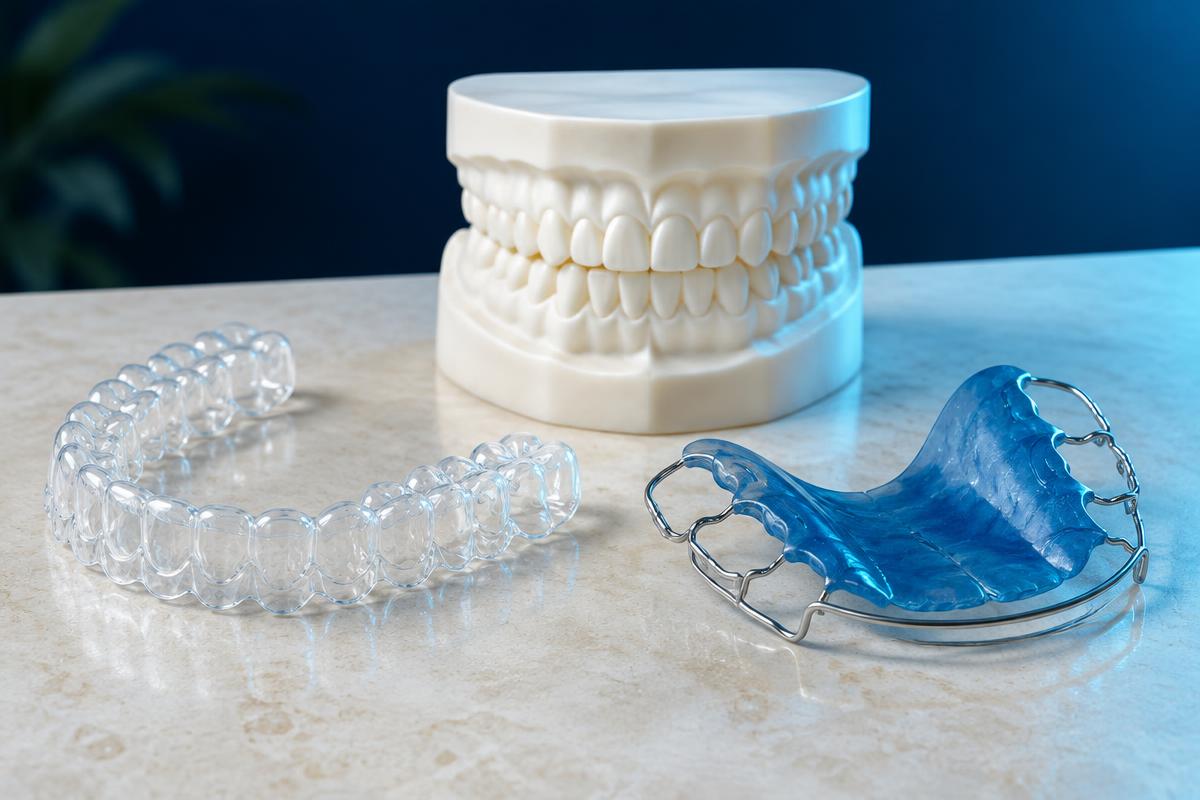
Removable retainers are worn according to a schedule your orthodontist sets.
Fixed retainers are thin wires bonded behind the teeth and need careful cleaning.
Retainers are checked at review appointments and replaced if damaged or lost.
Who it may suit
- Everyone completing orthodontic treatment
- Patients whose teeth have begun to shift after previous treatment
Potential benefits
- Helps protect the result of active treatment
- Options to suit different cases and preferences
- Reviewed and adjusted as needed
Suitability and outcomes vary between patients and can only be confirmed after a clinical assessment.
What retainers treatment involves
- 01
Fitting
Retainers are provided as braces are removed.
- 02
Instructions
You receive a clear wear and cleaning routine.
- 03
Reviews
Fit and stability are checked at follow-up visits.
- 04
Long term
Ongoing retention advice for the years ahead.
Retainers — common questions
Retention is usually long term, because teeth can move throughout life. Your orthodontist will explain the schedule for your case.
Contact the clinic promptly. Teeth can begin to shift when retainers are not worn.
Other treatments to consider
Check-ups & Cleaning
Routine examinations, professional cleaning and preventive advice for lasting oral health.
Root Canal Treatment
Treatment for an infected or inflamed tooth, designed to relieve discomfort and preserve the natural tooth where possible.
Dental Implants
Assessment and implant-based options for replacing missing teeth and restoring confident function.
Healthy teeth. Confident smile.
Book a dental consultation for a clear assessment, treatment options and practical next steps tailored to you.