After Treatment
Why Are Retainers Important After Braces?
Alignora Dental Team · 9 March 2026 · 6 min read
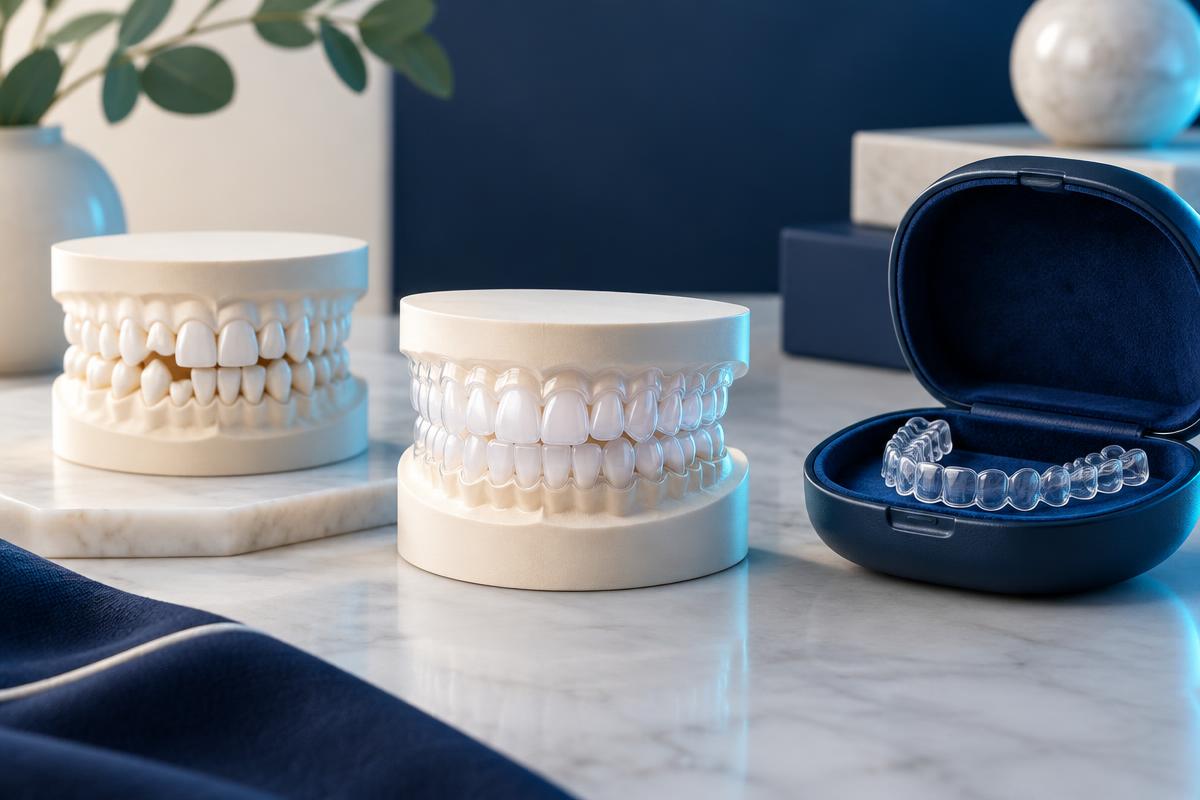
Of all the things patients later wish they had taken more seriously, retention comes top. Braces are the visible, effortful part of orthodontics. Retainers are the quiet part that determines whether the result lasts.
Why teeth move back
After teeth have been moved, the fibres and bone around them need time to reorganise around the new position. Even after that, teeth continue to be subject to the forces of chewing, lips, cheeks and tongue throughout life. Some gradual change is a normal part of ageing rather than a treatment failure — but without retention, that change tends to be faster and more noticeable.
Types of retainer
Removable retainers
Clear or plate-style retainers worn according to a schedule your orthodontist sets. They are easy to clean and easy to leave in a pocket — which is also their main risk.
Fixed retainers
A thin wire bonded behind the front teeth. It works without the patient having to remember anything, but it needs careful cleaning and periodic checks to confirm it is intact.
Some patients are given both. Which arrangement suits you depends on your case and what was corrected.
Looking after retainers
- Clean them as instructed — not with hot water, which can distort them.
- Always store them in their case; wrapped in a napkin is how most are lost.
- Keep them away from pets, who find them irresistible.
- Bring them to review appointments so fit can be checked.
- Contact the clinic promptly if one is lost, cracked or no longer fits.
How long is retention needed?
Retention is generally considered long term. Wear is often more intensive in the period immediately after braces are removed and reduces later, but it rarely stops entirely. Your orthodontist will set out a schedule for your case.
If teeth have already shifted
If you stopped wearing retainers years ago and your teeth have moved, that is common and worth an assessment. An old retainer that no longer fits should never be forced into place — it may apply unintended forces. Have it checked instead.
This article is general educational information about dental and orthodontic care. It is not a diagnosis and does not replace a clinical assessment or personalised advice from a qualified clinician.