Braces
How Long Do Braces Take? Understanding Orthodontic Treatment
Alignora Dental Team · 23 February 2026 · 6 min read
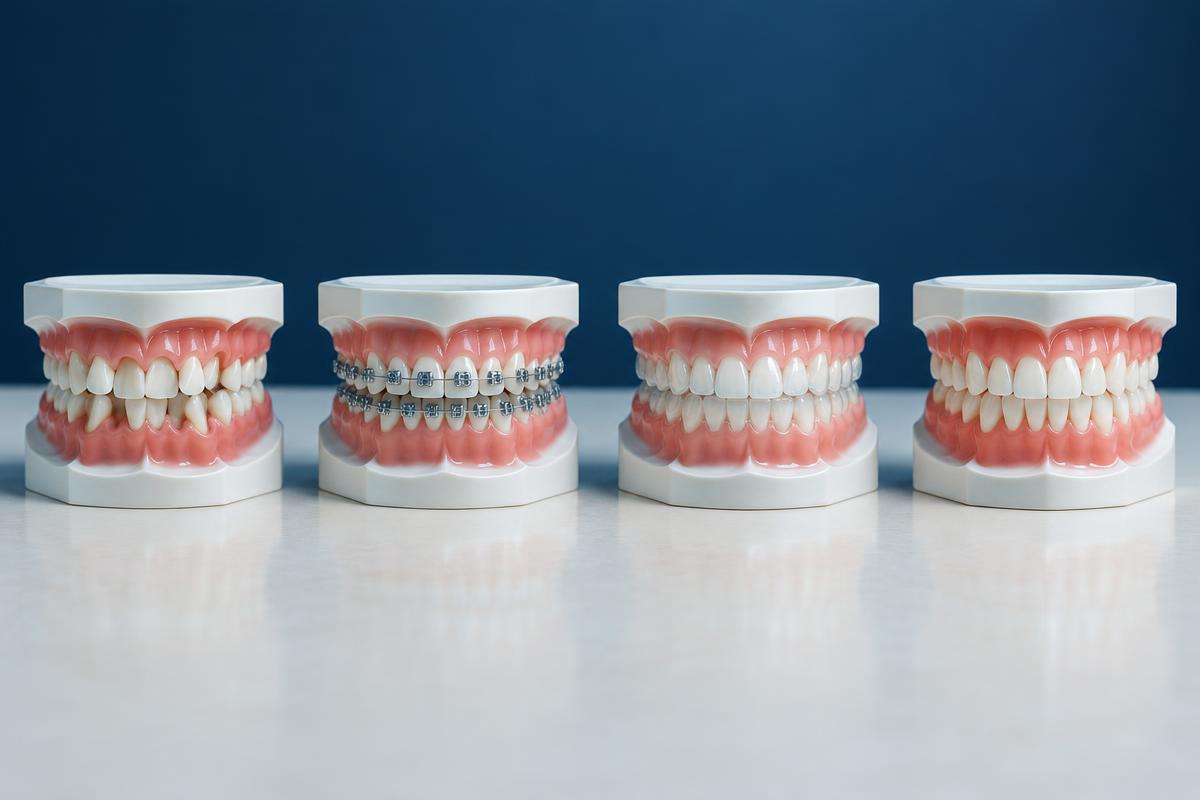
It is the first question almost everyone asks, and the one that deserves the most careful answer. Orthodontic treatment duration is not a fixed product specification. It is an estimate based on the movements required and on how a particular person's biology responds.
What determines the timeframe
- How far the teeth need to move, and in which directions
- Whether the bite relationship needs correcting as well as the alignment
- How the individual's bone responds to light forces
- Whether elastics or auxiliary components are needed
- Attendance at review appointments
- Whether breakages occur and how promptly they are repaired
The first two are clinical. The last three are, to a meaningful extent, within the patient's control.
Why estimates cannot be given in advance
Before an assessment, an orthodontist does not know which teeth need to move, how far, or whether the bite is involved. Any number quoted at that stage would be a guess presented as information. After assessment, a realistic range can be given, along with the factors that could shorten or extend it.
Why treatment can take longer than planned
- Missed or repeatedly delayed review appointments
- Elastics not being worn as instructed
- Repeated breakages from hard or sticky foods
- Teeth responding more slowly than anticipated
- Additional dental treatment being required mid-course
What genuinely helps
There is no shortcut worth taking, but there are habits that prevent avoidable delay: attend reviews, follow wear instructions precisely, protect the appliance from food that can damage it, and report breakages quickly rather than waiting for the next scheduled visit.
Treatment does not end at removal
When counting the length of orthodontic care, include retention. Active treatment has an end date; retention is long term, because teeth continue to have a tendency to shift throughout life.
A note on advertised timeframes
Be sceptical of marketing that promises a specific number of months regardless of the case. Responsible orthodontics gives estimates after assessment, explains the variables, and updates you as treatment progresses.
This article is general educational information about dental and orthodontic care. It is not a diagnosis and does not replace a clinical assessment or personalised advice from a qualified clinician.